


April 7, 2026
Human Value in the Age of AI: If AI is being taught compassion, what about us?
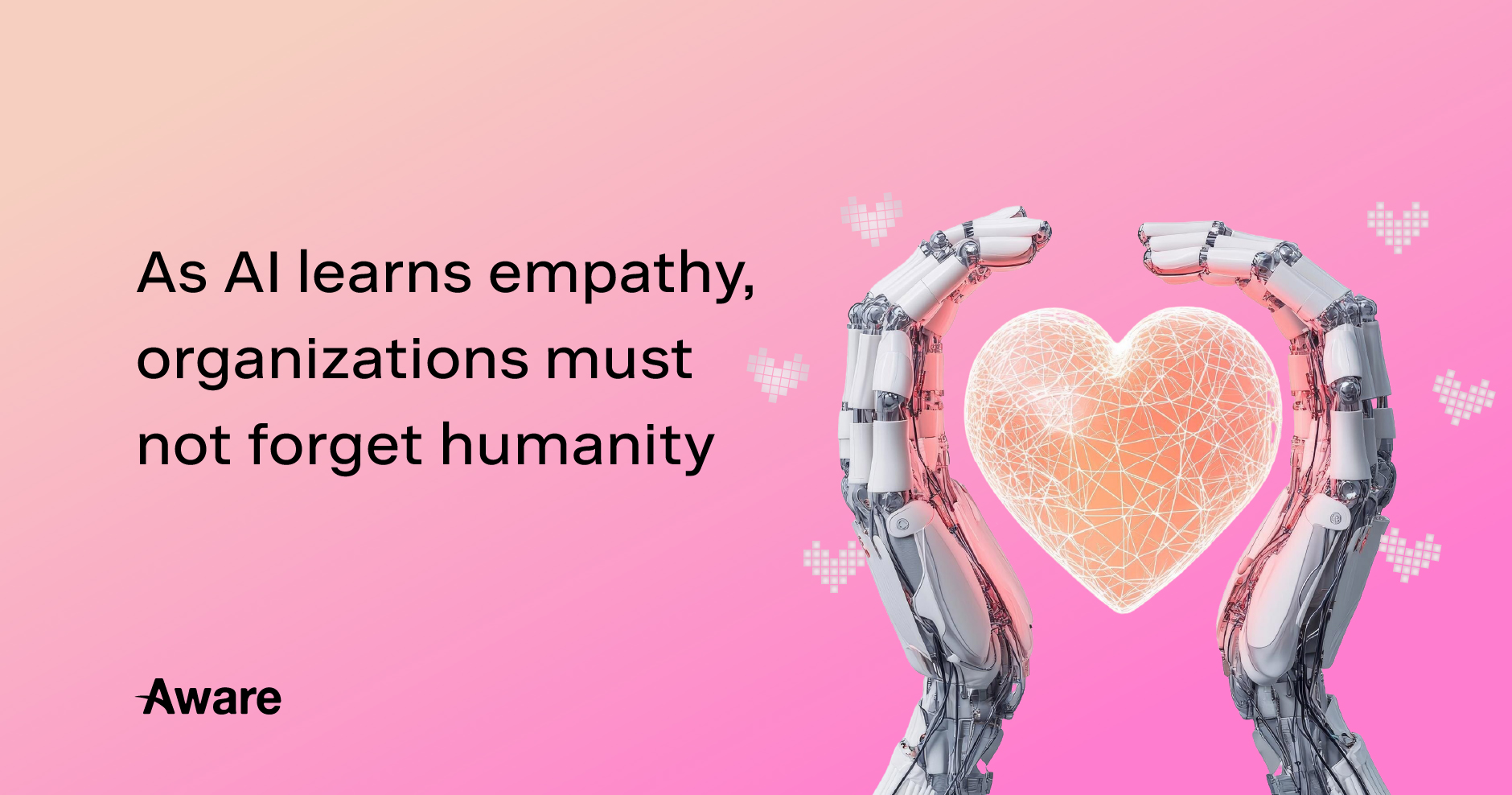
Human Value in the Age of AI: If AI is being taught compassion, what about us?
In a world where every organization talks about the “intelligence of AI,” have you noticed that what truly differentiates organizations is the “humanity” of their people? The unsettling question is this: while we are trying to teach AI to better understand and empathize with humans, why are many organizations increasingly treating their own people like machines?
In executive meeting rooms around the world, the loudest words are “Productivity,” “Efficiency,” “Output,” and “ROI.” People are counted as headcount, performance is measured by KPIs, and human value is summarized in quarterly reports. When organizations view people solely through the lens of efficiency, individuals begin to be treated as resources to be used, replaced, and discarded when they are no longer considered worthwhile.
Jeffrey Pfeffer, a professor of organizational behavior at Stanford University, revealed in his research and book “Dying for a Paycheck” that toxic work environments—where people are treated merely as tools—are linked to over 120,000 deaths per year in the United States alone, and nearly $200 billion in additional healthcare costs. Pfeffer argues that many organizations are slowly harming their own people through inhumane management practices.
What is even more thought-provoking is this: in an era where we are developing AI to understand human emotions, respond with empathy, and be designed with compassion, why do many leaders view their own employees with less empathy than the AI we are building?
Bob Chapman, CEO of Barry-Wehmiller, which employs over 12,000 people, shared in his book “Everybody Matters” that he once managed people based only on numbers and performance. Until one day, he realized that when employees go home, they are parents, children, and loved ones. How he treated them at work directly affected the lives of those they love. Chapman then began to “see people as people” and shifted his management approach from “using people” to “caring for people.” He prioritized employee well-being over short-term profits. The result was not only happier employees, but also sustainable business growth, increased innovation, and a significant reduction in turnover. Chapman concluded, “We are not in business to make money; we make money to build a better business and take better care of our people.”
Looking back at AI, an interesting point is that in developing AI, designers must ensure that it “understands human context.” It is not enough for AI to provide correct answers—it must respond appropriately to situations and human emotions. Companies like Anthropic and OpenAI are designing AI systems that can recognize when people need empathy, when they need encouragement, and when it is better to listen than to speak. If AI, which has no life, is being designed to be more human, how can human leaders forget their own humanity?
Kim Scott, author of “Radical Candor” and former executive at Google, proposes that great leaders must “Care Personally”—genuinely care about people, not just their performance. She explains that many organizations misunderstand professionalism as separating emotions from work. In reality, people do their best work when they feel seen as human beings, not just numbers. When leaders sincerely ask, “How are you?” instead of only “Is the work done?”, when they acknowledge that people are vulnerable, have off days, and need support—not just criticism—the result is trust, engagement, and commitment that no bonus or incentive can buy.
To create these outcomes in an organization, every leader should pause and ask themselves:
- When I speak with employees, do I see them as human beings with lives, stories, and emotions? Or do I only see their roles and performance?
- When someone makes a mistake, do I first ask what happened? Or do I rush to judge and punish?
- Do people on my team feel safe enough to tell me when they are tired, confused, or need help?
- Am I creating an environment where people feel safe to be themselves?
The reason we are developing AI to be compassionate, to understand human emotions, and to respond with empathy is not because we want AI to replace humans, but because we recognize that humanity is the most valuable thing of all. What organizations truly need, therefore, are leaders who are more human than AI—leaders who see that every individual has a story, dreams, fears, and a value that cannot be measured by numbers.
Today, if you are a leader, pause and look at the people around you again—not through dashboards, not through KPIs, but through a clear mind and a compassionate heart. You will begin to see not just their faces, but the human value within them.

- Human Value in the Age of AI: If AI is being taught compassion, what about us? - April 7, 2026
- AI Literacy: The New Foundation of Employee Wellbeing in the AI Era - March 6, 2026
- How to Build Self-Worth When Working with AI - February 5, 2026
- The Internal Value of Work an AI Era Defined by Efficiency - January 9, 2026